
When people first discover Ayurveda, they often feel deeply inspired. The idea of living in sync with your body, the seasons, your food, and nature itself sounds deeply comforting.
But then reality sets in.
You start trying to follow every rule. Wake up at 5 AM, drink warm water, oil your body, meditate, eat freshly cooked food three times a day, sleep by 10 PM, and avoid cold food, raw food, curd at night, heavy dinners, incompatible food combinations… the list seems endless.
Within a week or two, it feels like too much. One slip and the guilt begins. “I had cold coffee today, so now I’ve ruined everything.” Or “I was travelling and ate something processed… I’ve messed up my balance.”
This kind of all-or-nothing mindset is exactly what Ayurveda asks us to avoid.
That’s where the 80-20 rule comes in. It’s not a traditional shloka or formula from a 5,000-year-old text. But it reflects the deeper spirit of Ayurveda – consistency without obsession, alignment without anxiety, and balance, not perfection.
Let’s explore what this 80-20 approach really means in the Ayurvedic context, how it works, and how you can apply it in your life without losing your mind.
Ayurveda is a lifelong rhythm, not a short-term rulebook
Ayurveda is not about strict dos and don’ts. It is not a diet plan or a wellness challenge you follow for 21 days.
It is about tuning into your Prakriti (your natural constitution), recognising your Vikriti (current imbalances), and gradually making small, meaningful changes that support your body’s healing.
Trying to follow every Ayurvedic principle perfectly every single day is not only impractical, it also misses the point. Ayurveda teaches us to be in flow, not in fear.
So the 80-20 rule is simple. If you follow Ayurvedic habits 80 percent of the time, your body will stay in balance. The remaining 20 percent can allow room for life’s flexibility – social events, travel, occasional cravings, or days when nothing goes according to plan.
At Aho Care, we meet many people who feel overwhelmed trying to do everything “right.” But what we’ve seen is that even with 70 to 80 percent consistency, people experience visible shifts in energy, digestion, sleep, and mood.

The wisdom behind 80-20: why it works
Your body is not fragile. It does not fall apart because you ate ice cream or skipped your morning routine once in a while. The body is resilient, adaptable, and forgiving, as long as you do not burden it constantly.
The 80-20 idea rests on three Ayurvedic principles:
Agni matters most – If your digestion is strong, it can handle the occasional indulgence. But when your Agni is weak, even the best food can become toxic.
Ojas builds slowly – Ojas is your body’s deep immunity and vitality. It is built from regular nourishment, rest, and joy. Not from fear, guilt, or control.
Mind and body are deeply connected – Feeling anxious about perfection increases Vata, disturbs digestion, and causes more harm than a small dietary slip.
This is why Ayurveda asks you to focus on rhythm and intention, not rigidity. Following your daily routine well most of the time is enough to keep you in good health. The body naturally self-corrects the rest.
Through Naadi Pariksha, we help you find what habits are essential for your body and which ones you can approach with flexibility. It’s a personalised way of knowing what your unique 80 percent should look like.
What does the 80 percent look like in real life?
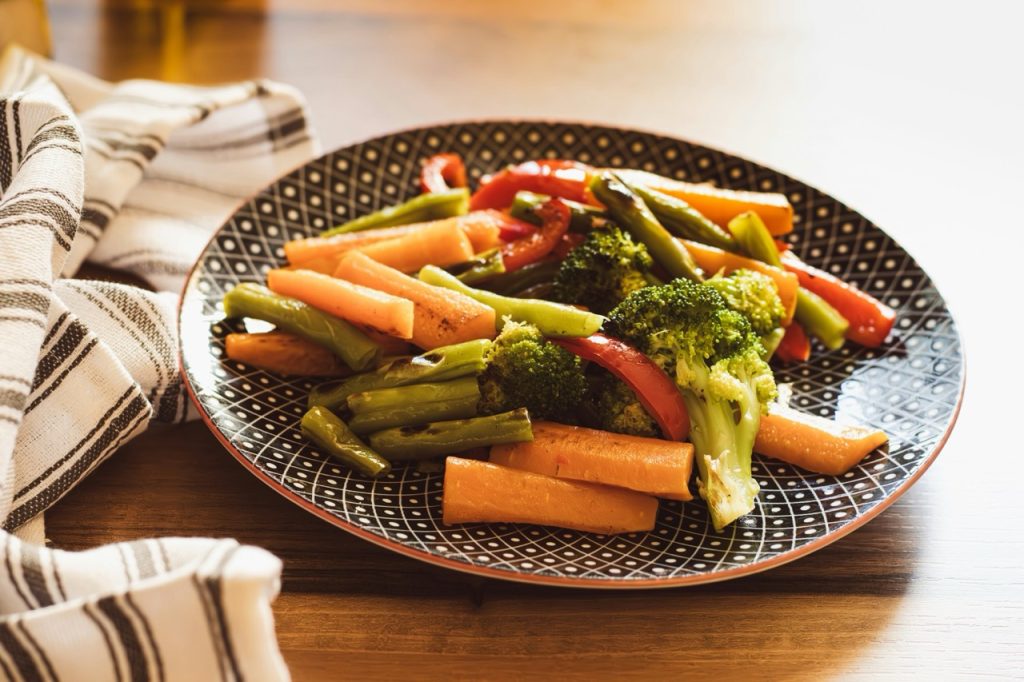
Let’s get practical. Here are some examples of how the 80-20 rule applies across daily routines:
1. Food choices
80 percent of the time: Eat fresh, home-cooked, warm food. Avoid cold, packaged, or heavy-to-digest items.
20 percent of the time: You can enjoy restaurant food, sweets, snacks, or meals that are not ideal.
But when you do the 20 percent, enjoy it. Eat slowly, without guilt. Pay attention to how your body feels after.
2. Meal timings
80 percent of the time: Eat lunch as your main meal, before 2 PM. Keep dinner light and early.
20 percent of the time: You can eat late if necessary. Try to keep portions smaller and avoid sleeping immediately after.
3. Morning and night routine
80 percent of the time: Wake before sunrise, oil your body, stretch or walk, eat a nourishing breakfast.
20 percent of the time: You may sleep in, skip oiling, or have a more casual morning.
It’s not about breaking the rules. It’s about staying in rhythm most of the time.
Aho Care offers authentic Sri Sri Tattva formulations that support your daily routine, whether it’s digestive teas, herbal oils, or nourishing rasayanas. These products are helpful tools, but your consistency is what makes them effective.
The 20 percent is not a free pass to ignore your body
Let’s be clear .. the 20 percent is not about binge eating, late nights every weekend, or ignoring your health because “I follow Ayurveda during the week.”
It is about being realistic and compassionate. It’s about:
Travelling and eating whatever is available, without panic
Enjoying a family function meal with joy, not guilt
Taking a break from your routine when your body genuinely needs rest
Eating that one dish you love, even if Ayurveda says it’s not ideal, because it nourishes your mind and heart
When you understand the doshas, the concept of Ama, and your own Prakriti, you can make smarter choices even in your flexible 20 percent. This is what we guide you through in Naadi-based consultations at Aho Care.
How to stay balanced even in your 20 percent

There are ways to support your system even when you’re stepping away from routine:
Eat mindfully: Even if it’s not the perfect food, chew well and eat with full attention.
Sip warm water: Helps digestion and prevents Ama buildup after a heavy or late meal.
Use digestive herbs at night: A gentle way to support detoxification.
Move your body the next day: A short walk or gentle yoga can help bring back lightness.
This is how you balance flexibility with awareness. Over time, you will find that your body becomes more responsive, and you naturally return to balance without struggle.
Common questions about the 80-20 rule in Ayurveda
1. Will this slow down my healing?
Not necessarily. For many people, being too strict causes more mental stress, which slows healing. Ayurveda respects the Sattvic state of the mind – calm, content, and clear. If the 80-20 rule helps you stay relaxed and committed, it may actually support deeper healing.
2. How do I know what habits are most important for me?
This depends on your constitution and your current imbalances. Someone with high Vata may need grounding food and warm oil massage daily. Someone with high Pitta may need consistent meal timing and cooling herbs. A Naadi Pariksha consult can help you personalise this.
3. What if my work life makes routine hard?
Then your 80 percent might look different. You can build a weekend rhythm or create a two-meal plan that works for your timings. The goal is not perfection. The goal is to avoid long-term accumulation of habits that disturb your digestion, sleep, and peace of mind.
Balance over extremes: the real Ayurveda
It is easy to swing between extremes. One day you’re doing everything – yoga, meal prep, meditation, herbal teas. The next week, nothing. Ayurveda teaches us to step out of that cycle.
Instead of asking “Am I doing this perfectly?” ask:
Am I staying connected to how I feel?
Am I doing small things daily that support my balance?
Am I allowing myself space to enjoy life too?
That is Ayurveda. That is sustainability. That is balance.
Your body wants balance, not control

Your body is always working toward healing. It wants to function well. It wants to stay in balance. You do not need to force it – you only need to stop getting in the way.
The 80-20 rule reminds us that healing happens in flow, not fear. That consistency beats perfection. That discipline feels good when it is chosen with awareness, not forced with guilt.
So start today.
Eat one warm, nourishing meal.
Take a walk without your phone.
Drink your herbal tea with attention.
Sleep on time one day at a time.
Let the 80 percent carry you. Let the 20 percent remind you to be human.
And let Ayurveda be the steady rhythm in your ever-changing life.
Book your Naadi Pariksha at Aho Care
Want to know what your personal balance looks like? Let our experienced Ayurvedic doctors read your pulse, identify your dosha and imbalances, and guide you toward your version of balance.
Because the journey becomes easier when you know where you stand.