
In our busy lives, most of us focus on what we eat. Is it healthy? Is it low carb? Is it vegetarian? Is it protein-rich? These questions dominate modern food conversations. But in Ayurveda, an ancient Indian science of life and health, an equally important question is: when do you eat?
Yes, timing matters. A lot more than most people realise.
According to Ayurveda, our body runs on a biological rhythm — one that follows the rising and setting of the sun. Eating in harmony with this rhythm allows our digestion to work efficiently, our energy to stay steady, and our minds to remain clear.
Let’s explore this principle in detail, understand the Ayurvedic approach to meal timing, and learn how to apply it practically in today’s lifestyle.
Why does meal timing matter in Ayurveda?
Ayurveda believes that your body is not separate from nature. Just as the sun rises and sets, your internal processes also rise and fall in a rhythm. This rhythm is controlled by the three doshas: Vata, Pitta, and Kapha, which govern different functions in the body.
Throughout the day, these doshas become dominant at specific times. Eating food at a time that matches the dosha in charge allows your body to digest, absorb, and convert that food into energy and clarity.
When you eat against this rhythm, for example, skipping breakfast or eating a heavy dinner late at night, your Agni (digestive fire) gets disturbed. Undigested food builds Ama (toxins), leading to fatigue, mental fog, acidity, bloating, and even long-term disease.
So instead of focusing only on the content of your plate, Ayurveda asks you to look at when you are placing that food into your system.
At Aho Care, we help people align their daily routines with Ayurvedic principles. Through tools like Naadi Pariksha (pulse diagnosis), our experienced Ayurvedic vaidyas guide you on what, when, and how to eat based on your personal dosha and current state of health.
Understanding the dosha clock: how your body changes through the day
In Ayurveda, the day is divided into six parts- two cycles of Kapha, Pitta, and Vata, each lasting approximately four hours.
Here’s how the doshas move during a 24-hour period:
| Time | Dominant Dosha | What it controls |
|---|---|---|
| 6 AM – 10 AM | Kapha | Structure, heaviness, slowness |
| 10 AM – 2 PM | Pitta | Digestion, focus, metabolism |
| 2 PM – 6 PM | Vata | Movement, creativity, lightness |
| 6 PM – 10 PM | Kapha | Wind-down, grounding, rest |
| 10 PM – 2 AM | Pitta | Internal cleansing, liver function |
| 2 AM – 6 AM | Vata | Light sleep, dreams, alertness |
When you eat in alignment with this clock, your body uses the food more efficiently. When you eat against it, your body struggles, leading to low energy and mental dullness.
Let’s now break down ideal meal timings based on this dosha clock.
Breakfast: best time is between 7 AM and 9 AM
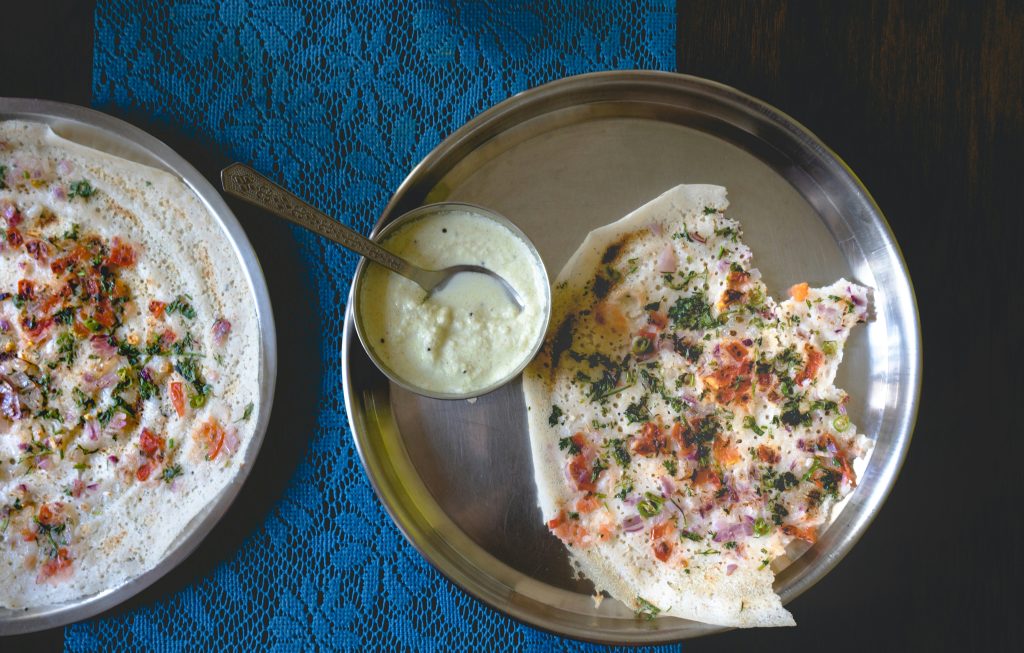
During this time, Kapha is dominant. Kapha is heavy and slow, so your digestion is not at full strength. But your body still needs fuel to begin the day.
What to eat:
Warm, light, and nourishing foods
Examples: Upma, poha, fruit stewed with cinnamon, oats porridge with ghee, or moong dal chilla
Avoid: Cold smoothies, dry cereals, packaged food, tea/coffee on an empty stomach
Why it matters:
Eating a proper breakfast keeps blood sugar stable, supports brain function, and prevents overeating later in the day. A light but energising breakfast also balances Kapha without making you feel sluggish.
At Aho Care, we often see clients with poor breakfast routines experiencing mid-morning fatigue, cravings, and low focus. These are all signs of eating out of sync with your internal clock.
Lunch: best time is between 12 PM and 2 PM
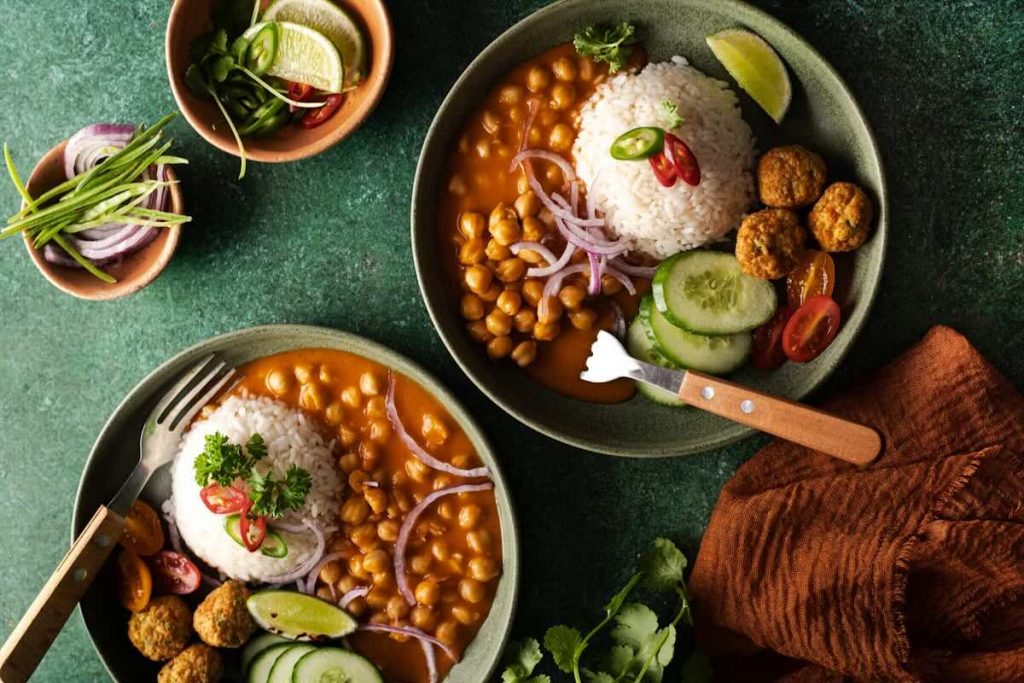
This is when Pitta is dominant. Pitta is made of fire and water – and this is the time when your Agni, or digestive fire, is strongest.
What to eat:
This should be your heaviest and most complete meal of the day
Include grains, vegetables, dal, chutney, ghee, or light protein
Examples: Rice-dal-sabzi, vegetable khichdi, chapati with sabzi, millet with curd (in moderation)
Avoid: Skipping lunch, eating just salads, or grabbing fast food out of convenience
Why it matters:
Lunch is the meal your body is best equipped to handle. Skipping or eating a light lunch puts pressure on digestion in the evening, when Agni is low. This can lead to bloating, tiredness, or brain fog.
Tip: Take a short walk after lunch. It helps with digestion and avoids the Kapha dip that comes after 2 PM.
Evening snack: if needed, between 4 PM and 5 PM
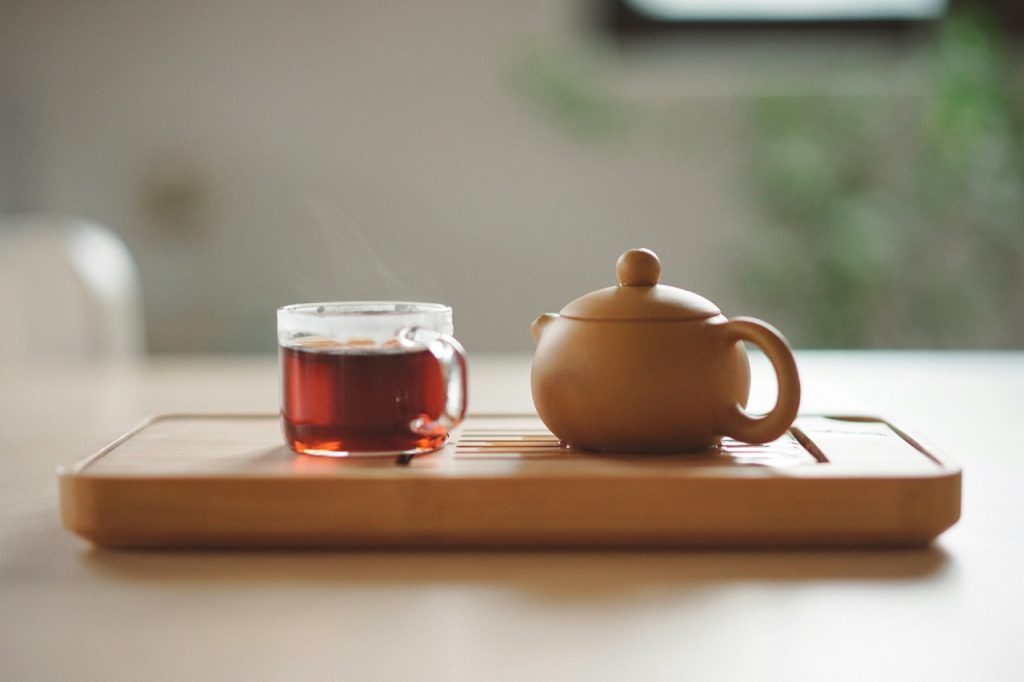
This is the Vata time of day. Vata is light, dry, and quick. You may start to feel a dip in energy, attention, and blood sugar.
What to eat:
Something warm and grounding
Examples: Roasted nuts, herbal tea with jaggery, boiled sweet potato, light soup
Avoid: Cold beverages, heavy sweets, or snacking mindlessly while working
This snack should not be heavy. It is meant to keep Vata stable without disturbing dinner appetite. If your lunch was complete and satisfying, you may not need an evening snack at all.
At Aho Care, we encourage people to check in with their body before snacking. Are you actually hungry, or just bored or stressed? A short consultation or Naadi check can help clear that confusion.
Dinner: best time is between 6:30 PM and 8 PM
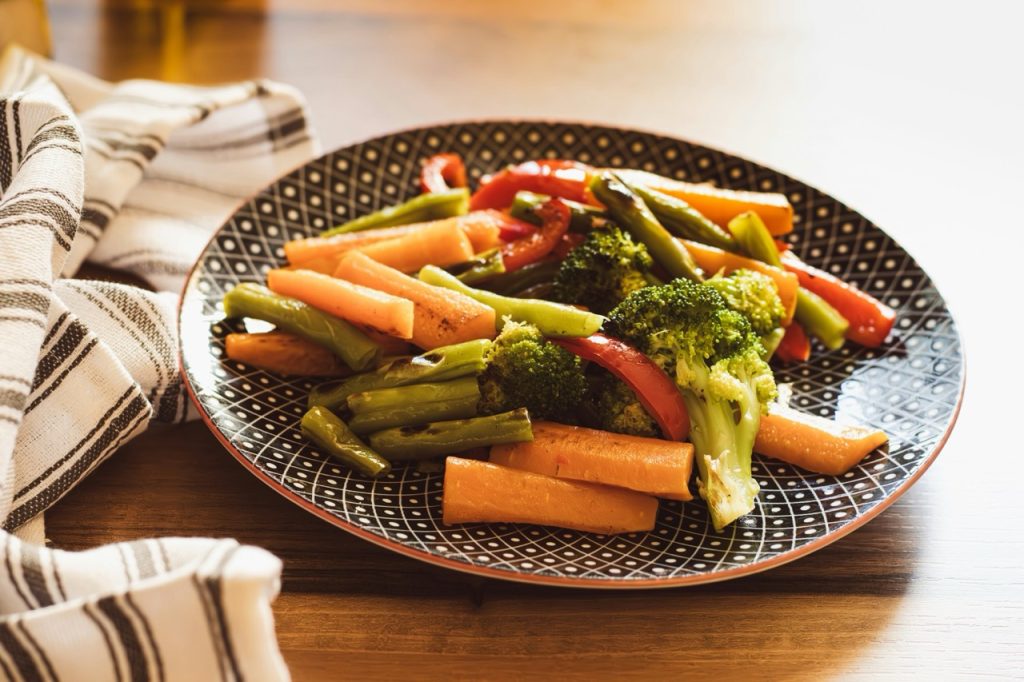
Dinner falls during the second Kapha phase. Digestion is slower, metabolism is winding down, and your body is preparing for rest.
What to eat:
Light, easy-to-digest meals
Examples: Moong dal soup, lightly cooked vegetables, thin khichdi, roti with ghee
Avoid: Heavy fried foods, rich sweets, curd, meat, cheese, and large portions
Why it matters:
A heavy dinner at 10 PM is a common cause of poor sleep, weight gain, sluggish digestion, and morning stiffness. Light dinners reduce the toxin load on your system and allow better repair overnight.
We often hear from Aho Care clients that just changing their dinner time made them feel lighter and clearer within a week. It’s a small shift, but it creates a big impact.
Late night eating: strictly avoid after 9 PM
Post 10 PM, the body enters the Pitta phase again but this time, it is focused on internal repair, not digestion. If you eat during this phase, your system cannot perform its cleansing duties. Instead, it struggles to process late food.
This creates Ama, which leads to:
Brain fog in the morning
Undigested food in stools
Skin breakouts
Joint stiffness
Low energy
If hunger strikes late at night, Ayurveda suggests sipping warm milk with nutmeg or warm water with ginger. These calm the mind without burdening digestion.
Meal timing tips for better energy and mental clarity
Here are a few golden Ayurvedic rules to support your digestion and keep energy high through the day:
Eat only when truly hungry. This means the previous meal has been digested.
Sit down while eating. Avoid screens, talking too much, or working during meals.
Do not drink too much water before or during meals. A few sips of warm water are enough.
Avoid raw food at night. Stick to warm, well-cooked meals.
Chew slowly. Digestion begins in the mouth, not the stomach.
Ayurveda does not promote rigid rules. Instead, it offers rhythms. Once your body understands these rhythms, clarity and energy become your natural state.
Meal timing and your dosha
Everyone can benefit from the general timing rules above. But if you know your dosha, you can fine-tune it even more.
Vata dominant people do better with regular, grounding meals. No skipping. Small frequent meals are better than long gaps.
Pitta dominant people need to avoid skipping lunch. They also need cooling foods and proper hydration.
Kapha dominant people should avoid heavy breakfasts and late dinners. Fasting once a week may help them balance heaviness.
If you are unsure of your dosha or want to understand your current imbalances, book a Naadi Pariksha at Aho Care. Our Ayurvedic doctors will read your pulse, understand your internal state, and guide you on a personalised meal schedule based on your constitution.
Eat with time, not just with taste
In modern life, food often becomes about convenience, not consciousness. But Ayurveda reminds us that food is not just fuel .. it is life. And when you give it at the right time, your body returns the gift with energy, lightness, and clarity.
You do not have to follow strict rules overnight. Start by shifting your biggest meal to lunchtime. Try to eat dinner before sunset. Begin to notice how your body feels when you eat in rhythm with nature. These are not just ancient beliefs. They are time-tested truths that continue to heal people even today.
Aho Care is here to help you discover what your body really needs. Whether it’s through Sri Sri Tattva’s carefully chosen products or a personalised Naadi Pariksha, we walk with you toward true balance.
Because when you eat right and eat on time, your body does the rest.