
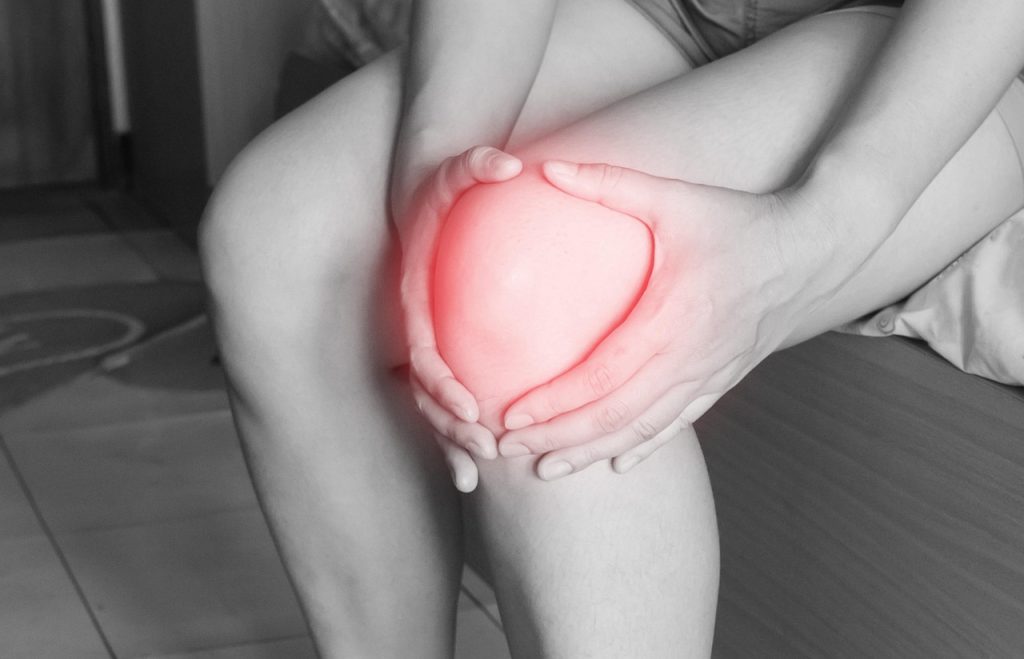
Joint pain is often treated like a local problem. If your knees hurt, you apply pain balm. If your fingers feel stiff, you take anti-inflammatory tablets. But Ayurveda teaches something completely different. It sees joint issues as deeply connected to your gut.
Yes, your stomach may be responsible for your joint pain.
This might sound strange from a modern medical perspective. But in Ayurveda, the digestive system is considered the foundation of health. If your gut is not functioning properly, toxins start to form. These toxins travel through your body and settle in weak areas, especially the joints.
Let’s explore this idea step by step and understand how Ayurveda explains the gut-joint connection in simple, clear language.
At Aho Care, we help people understand these deeper links through pulse diagnosis (Naadi Pariksha), so healing can begin from the root and not just the surface. Let’s explore the connection between Joint Pain & Gut Health.
How Ayurveda Looks at Digestion

In Ayurveda, digestion is not just about breaking food down. It’s a process of transformation. The food you eat must be properly digested, absorbed, and converted into useful forms to nourish your tissues.
The energy that controls digestion is called Agni – your digestive fire. It plays a central role in everything, including metabolism, immunity, and even emotional balance.
When Agni is strong and balanced, you feel light, energetic, and healthy. When Agni is weak or irregular, Ama begins to form. Ama is a sticky, toxic substance created by incomplete digestion. It clogs bodily channels, blocks nutrient flow, and leads to disease.
One of the first places where this sticky Ama settles is in the joints. This is where the connection between gut and joints begins.
How Ama Affects the Joints
Joints are places where movement happens. According to Ayurveda, they are governed by Vata dosha, which controls mobility, circulation, and nerve impulses. Vata is naturally dry and light. When Ama enters the joints, it blocks the normal movement of Vata. This causes stiffness, swelling, and pain.
The result? Conditions like:
Rheumatoid arthritis (known in Ayurveda as Amavata)
Joint stiffness and cracking sounds
Inflammation around the joints
A sense of heaviness or dull pain that moves from place to place
If you keep treating this as a local issue without correcting the digestion, the pain may reduce for a while, but it will keep returning.
That’s why at Aho Care, we encourage a gut-first approach to managing joint problems. Whether it’s through dietary support or Naadi Pariksha consultations, we help you understand what your body truly needs.
Signs Your Gut Is Causing Joint Trouble

Here are some common signs that your digestion is behind your joint issues:
You feel bloated, gassy, or heavy after meals
You have irregular bowel movements or constipation
Your joints feel stiff in the morning or in cold weather
The pain moves around from joint to joint
You feel tired and dull most of the day
If you have two or more of these signs, there’s a good chance that Ama is playing a role. The more you ignore it, the more deeply it spreads in the body.
The role of Agni in preventing joint problems
Strong Agni means your food is properly digested, nutrients reach your tissues, and toxins are eliminated on time. This keeps your joints healthy, your circulation smooth, and your immune system sharp.
Weak Agni does the opposite. It leads to toxin buildup, poor nutrient absorption, and increased Vata disturbance, all of which directly affect your joints.
That’s why one of the first steps in Ayurvedic treatment is to restore Agni. This can be done through:
Eating warm, freshly cooked meals
Avoiding incompatible food combinations
Including spices like cumin, ginger, and ajwain
Following consistent meal timings
Drinking warm water instead of cold drinks
Even these simple changes can reduce the load on your gut and slowly clear out Ama.
At Aho Care, we offer Sri Sri Tattva’s trusted Ayurvedic formulations that support digestion and detoxification. When paired with lifestyle correction, these help create long-term relief, not short-term suppression.
Understanding Amavata: Ayurvedic view of Rheumatoid Arthritis

In modern medicine, Rheumatoid Arthritis (RA) is considered an autoimmune condition. Ayurveda refers to it as Amavata, caused by the combination of Ama (undigested toxins) and vitiated Vata.
The symptoms often match:
Swelling in multiple joints
Morning stiffness
Weakness and fatigue
Pain that increases with movement and reduces with rest
In Amavata, the first goal is to remove Ama through deep digestive correction and mild detox (known as Pachana and Shodhana). Only after this is done are herbs or oils used for pain relief and tissue support.
This is what makes the Ayurvedic method different. It doesn’t try to silence the symptoms. It aims to change the internal environment so the symptoms stop appearing in the first place.
Simple tips to improve Gut and Joint health together

You don’t have to wait until pain becomes unbearable. Here are some Ayurveda-inspired daily habits to protect both your digestion and joints:
1. Eat your biggest meal at lunchtime: This is when your digestive fire is strongest. Eating heavy dinners increases toxin buildup.
2. Avoid cold and raw foods in the evening – Cold food increases Ama. Stick to warm soups, khichdi, or simple vegetable stews at night.
3. Keep moving, but gently – Joint movement keeps Vata balanced. Avoid sitting for long hours. Stretch your body often.
4. Apply warm oil to your joints weekly – Abhyanga (oil massage) using sesame or Ayurvedic oils like Sri Sri Tattva’s Oils helps improve circulation and reduce stiffness.
5. Practice deep breathing or meditation – Stress increases Vata and weakens digestion. A few minutes of calming your mind every day goes a long way.
Why treating just the joints isn’t enough?
Imagine a leaking ceiling. You keep repainting the stain but never check the water pipe above. This is what happens when joint pain is treated without addressing digestion. The symptom is on the surface, but the source is deeper.
Ayurveda teaches that everything in the body is connected. Your joints cannot be healthy if your gut is producing toxins every day. Painkillers may give relief today, but unless the Ama is cleared, the pain will keep coming back.
Healing must go in the direction of the cause. Not just the complaint.
That’s why at Aho Care, we take a full-body view. Whether you choose to buy a digestion-supporting formulation from Sri Sri Tattva or book a Naadi consultation, we guide you with a root-cause mindset.
Heal your Gut, save your Joints
Your joints are not just mechanical parts. They are living, breathing spaces in the body where flow and communication happen. If toxins block that space, pain begins. But if digestion is strong, circulation is clear, and tissues are nourished, your joints stay flexible, strong, and pain-free for years.
The gut-joint connection may not be discussed in mainstream medicine, but Ayurveda has always seen it clearly. And now, more and more people are turning to this ancient wisdom — not just for relief, but for a deeper understanding of their bodies.
So the next time you feel stiffness in your knees, ask yourself: how’s my digestion doing? Because in Ayurveda, that’s always the first place to look.
Start with a Naadi Pariksha at Aho Care
If you want to know what your body is really trying to tell you, about your joints, digestion, or overall health, book your Naadi consultation with our experienced Ayurvedic doctors.
Understanding is the first step to healing. And sometimes, all it takes is a pulse!